Profile Building

Build a Profile That Universities Take Seriously

Build a Profile That Universities Take Seriously

Top universities look beyond marks they value consistency, initiative, leadership, curiosity, and a clear academic direction.

Why Profile Building Matters

Undergraduate and postgraduate admissions are increasingly competitive.
Academic Depth
Subject relevance
Initiative beyond the classroom
Leadership and impact
Long-term clarity

What We Actually Build

Profile building is not a checklist. It is a positioning strategy.

Academic Positioning

Aligning subject choices, advanced coursework, certifications, or research with intended majors.

Extracurricular Depth

Focusing on quality over quantity. Building meaningful involvement rather than scattered participation.

Leadership & Initiative

Guiding students toward roles that show responsibility, ownership, and contribution.

Competitions & Recognition

Strategic participation in relevant competitions, olympiads, or academic platforms.

Passion Projects

Encouraging structured independent projects that reflect intellectual curiosity.

Application Narrative

Shaping a clear academic story that connects achievements, interests, and goals into a compelling university application.

Our Structured Profile Framework

We follow a layered approach.

Profile Audit

We assess academics, activities, strengths, and gaps.

Goal Mapping

Clear alignment between intended course and activities.

Activity Strategy

Designing focused involvement instead of random additions.

Timeline Planning

Mapping what to do and when — especially critical from Grade 9–12.

Narrative Alignment

Ensuring every activity strengthens future application positioning.

Application Positioning

Preparing the student’s profile to be presented clearly and competitively to target universities.

Profile Building for Undergraduate Students

For undergraduate applicants, early planning creates advantage.

We guide students on:

  • Subject selection strategy

  • Academic consistency

  • Leadership development

  • Structured extracurricular growth

  • Academic competitions and research exposure

The earlier the planning begins, the stronger the profile becomes.

Profile Building for Postgraduate Applicants

For postgraduate students, depth matters more than volume.

We focus on:

  • Academic progression

  • Research exposure or internships

  • Work experience positioning

  • Skill certifications aligned with career direction

  • Clear long-term intent

Every activity must support the chosen master’s trajectory.

Measurable Outcomes

Students who build structured profiles often experience:

Stronger admission positioning

Better scholarship consideration

Clearer university targeting

Greater confidence during applications

How the Profile Building Program Works

Initial Consultation

Understanding strengths, interests, and intended direction.

Gap Analysis

Identifying missing components relevant to target universities.

Structured Action Plan

Customized roadmap covering academics, leadership, and enrichment.

Progress Reviews

Regular check-ins to refine and adjust direction.

Application Integration

Ensuring all profile elements align seamlessly within essays and submissions.

Strategic University Submissions

Finalizing applications, essays, and documentation to present a clear, competitive profile to target universities.

Who Should Start Profile Building?

Why Choose Gradient Dreamz for Profile Building?

Profile building is not about collecting certificates.
It is about creating a focused, credible academic identity that aligns with your future goals.

At Gradient Dreamz, we approach profile building with structure, clarity, and long-term positioning.

Strategic Direction, Not Random Activities

We do not suggest activities for the sake of volume. Every recommendation is aligned with your intended major, academic strengths, and future trajectory.

Course-Aligned Positioning

Your profile is built to support the course you plan to pursue. Subject depth, certifications, projects, and leadership roles are chosen intentionally.

Gap Identification & Planning

We conduct a structured profile audit to identify missing elements and create a realistic action roadmap.

Early Planning Advantage

For undergraduate students, starting from Grade 9–11 provides measurable advantage. For postgraduate applicants, structured positioning strengthens competitiveness.

Application Integration

Every activity, competition, research exposure, and leadership role is designed to strengthen your eventual essays and application narrative.

Personalized Oversight

Profile building is monitored through periodic reviews to ensure consistency, accountability, and meaningful progress.

Special Considerations for Profile Building

Profile building requires intention and authenticity. Universities increasingly evaluate depth, consistency, and relevance rather than the number of activities listed. A scattered profile with unrelated achievements often weakens positioning, even if the student is capable.

Admissions committees look for alignment between academic choices, extracurricular involvement, leadership roles, and intended course of study. Activities must reflect genuine interest, progression over time, and measurable contribution. For undergraduate students, early academic decisions and subject selection can influence eligibility later. For postgraduate applicants, professional experience, research exposure, and skill development must logically connect to future academic goals.

Timing also plays a critical role. Many competitive opportunities, competitions, and enrichment programs require early preparation. Without structured planning, students often miss strategic windows that strengthen applications.

Effective profile building is not about doing more. It is about doing the right things, consistently, with clear direction.


Frequently Asked Questions

Ideally 8–12 months before intended intake.

Not for all programs. However, MBA and certain professional courses may require it.
We guide you on eligibility and application strategy, but funding decisions rest with the university.
The number depends on profile strength and goals. We recommend a balanced strategic list.
Yes, once an offer is finalized, we guide documentation and preparation steps.

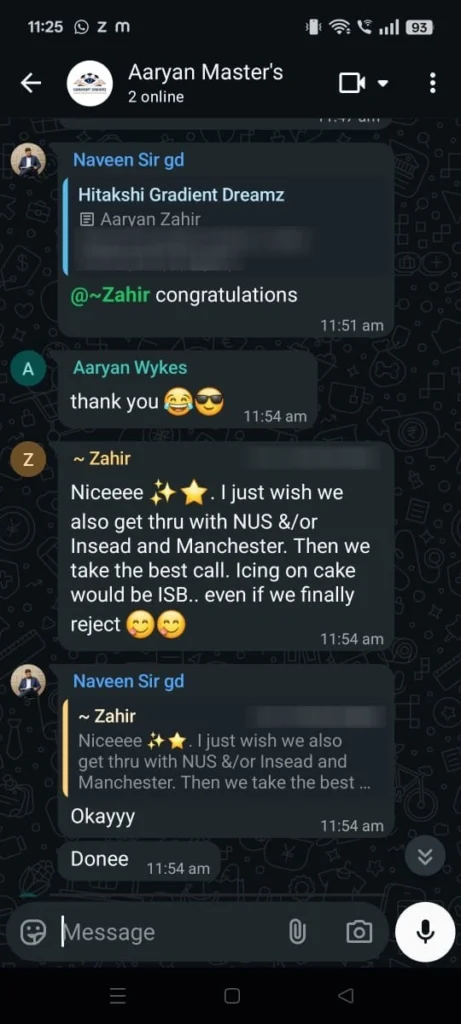
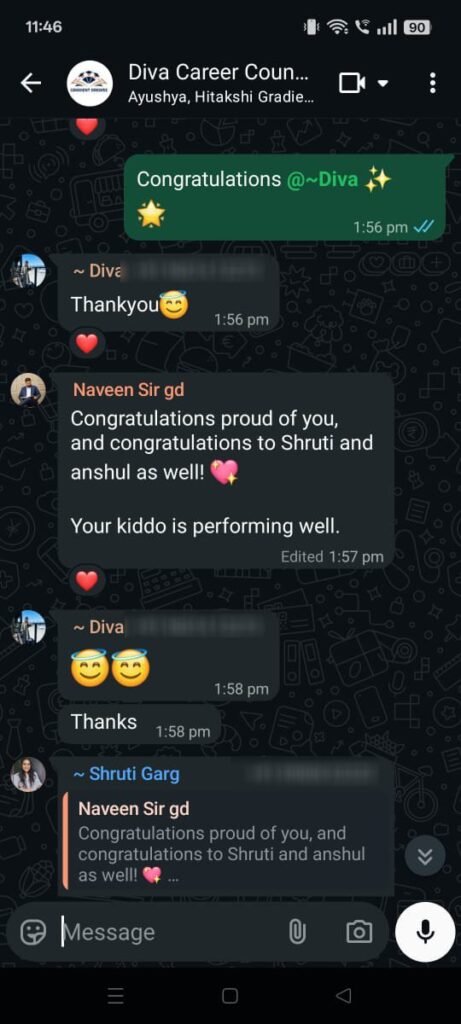
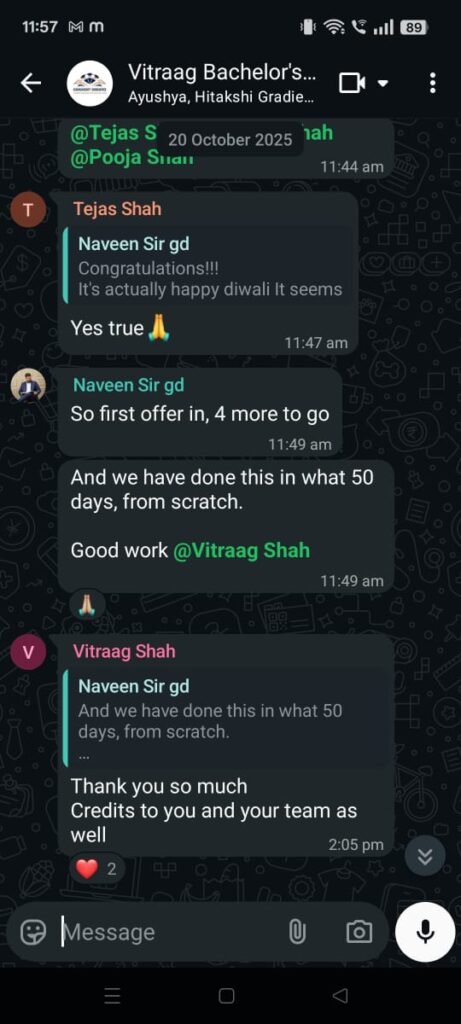
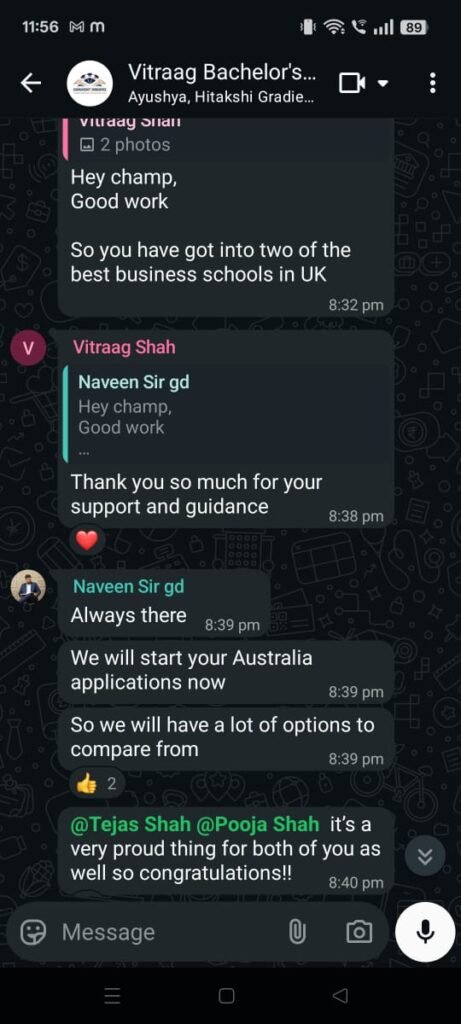
Let Our Students Speak for Our Work

Book a Personal Consultation