
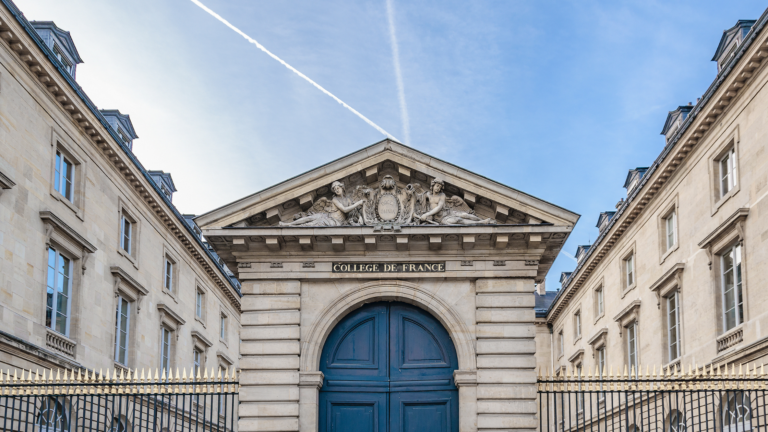
France has long attracted international students through its universities, business schools, engineering institutions, research opportunities, and cultural influence.
In 2026, its appeal extends well beyond Paris.
Students can choose from public universities, Grandes Écoles, specialised institutions, and international programmes across cities such as Lyon, Toulouse, Lille, Bordeaux, Grenoble, Montpellier, and Strasbourg.
For international students, France can offer high-quality education at comparatively manageable costs, access to English-taught programmes, and exposure to one of Europe’s largest economies.
However, studying in France also involves a system that can feel very different from those in the U.S., UK, Canada, or Australia.
Application procedures, tuition structures, language requirements, visas, accommodation, and teaching styles all require careful research.
Here are eight important things international students should know before choosing France as their study destination.
1. France Has More Than One Type of Higher Education Institution
One of the first things students need to understand is that the French higher education system is diverse.
A “university in France” can mean very different things depending on the institution.
Public universities usually offer a broad range of academic degrees, while Grandes Écoles are typically more selective and often specialise in areas such as business, engineering, public administration, or political science.
There are also specialist schools covering subjects such as art, architecture, hospitality, fashion, and design.
This means students should compare programmes rather than assuming every French institution follows the same academic model.
Before applying, look carefully at:
- The type of institution
- Programme accreditation
- Teaching format
- Degree awarded
- Admission requirements
- Career outcomes
Choosing the right institutional type can be just as important as choosing the right subject.
2. Public University Tuition Can Be Comparatively Affordable
France is often attractive because tuition at many public higher education institutions can be significantly lower than at universities in some other popular study destinations.
For the 2026–27 academic year, international students from outside the EU who are subject to differentiated fees at qualifying public institutions may pay €2,902 per year for a bachelor’s programme and €3,950 for a master’s programme. However, exemptions and institution-specific policies can apply.
Students can review the latest fee structure through Campus France’s official tuition fee guide.
Private universities, business schools, Grandes Écoles, and specialised programmes can cost considerably more.
This is why families should avoid asking only:
“Is France affordable?”
Instead, ask:
“What will this specific programme cost at this specific institution?”
Tuition should also be considered alongside accommodation, transportation, food, health-related expenses, and everyday living costs.
3. You Can Study in English, but French Still Matters
A common misconception is that students must be fluent in French to study in France.
That is no longer always true.
French higher education institutions offer a growing number of programmes taught partially or entirely in English, particularly at the postgraduate level. Campus France lists more than 1,600 English-taught programmes across different levels and fields.
However, studying in English and living in France are two different experiences.
Basic French can make everyday life significantly easier when dealing with landlords, shops, transportation, administrative processes, internships, and social situations.
It can also influence employability.
A student may complete an English-taught degree successfully but later discover that many local employers prefer candidates who can communicate in French.
For that reason, students should view French-language learning as a practical career investment even when it is not an admission requirement.
4. Application Routes Can Depend on Your Nationality and Programme
France does not have one universal application route for every international student.
The process can depend on nationality, level of study, institution, and programme.
Some students apply through the Études en France system, while others may apply directly to the institution or through another admissions route.
Students from countries covered by the Études en France procedure need to follow the relevant process. The current list includes India, the UAE, Qatar, the United States, and many other countries.
This means students should research the application route before focusing only on documents and deadlines.
A strong application submitted through the wrong pathway can create unnecessary complications.
5. Your Student Visa Requires Early Planning
International students who intend to study in France for more than three months generally require a long-stay student visa, subject to the rules that apply to their nationality and programme.
The process normally begins after the student has secured admission to an eligible higher education institution.
Students should prepare early for documents related to admission, identity, financial resources, accommodation, and other requirements that may apply to their individual case.
The official France-Visas student guidance explains the current visa process, applicable study routes, and supporting-document requirements.
One common mistake is leaving visa preparation until immediately before departure.
Admissions and visa processes are connected, but they are not the same process. Receiving a university offer does not automatically complete immigration formalities.
Students should build both into their overall timeline.
6. Accommodation Can Require as Much Planning as Admission
Getting accepted into a French institution is only part of the preparation.
Finding suitable accommodation can become one of the more stressful parts of moving abroad, particularly in cities with high student demand.
Students may consider:
- University residences
- CROUS accommodation
- Private student residences
- Shared apartments
- Independent rentals
Availability, cost, distance from campus, deposits, guarantor requirements, and lease conditions can vary significantly.
Paris is generally more expensive than many smaller French cities, which is why students should compare the total cost of living rather than selecting a university based on tuition alone.
Starting accommodation research early gives students more flexibility and reduces the risk of having to accept an expensive or inconvenient option shortly before arrival.
7. The Academic Culture May Feel Different
International students should also prepare for differences in classroom expectations.
French higher education can place significant emphasis on independent study, structured argument, critical analysis, and academic discipline.
Depending on the institution and programme, students may experience large lectures, seminars, written examinations, presentations, group projects, research assignments, or oral assessments.
Professors may expect students to take greater responsibility for managing their learning than they experienced at school.
This transition can be challenging for students accustomed primarily to highly structured or examination-focused learning.
Success therefore requires more than understanding the subject.
Students need to develop skills such as note-taking, academic writing, research, time management, class participation, and independent problem-solving.
8. Career Planning Should Begin Before Graduation
Many international students wait until the final semester to start thinking seriously about employment.
That is late.
Students who want to build careers in France should begin developing employability during their degree.
Internships, industry projects, networking, university career events, language development, and professional experience can all make the transition into employment easier.
French ability becomes particularly important here.
Even when an international company operates primarily in English, employees may still interact with French-speaking clients, colleagues, regulators, or suppliers.
Students should therefore think about three things from the beginning of their programme:
What roles could this degree lead to?
Which employers recruit graduates from this programme?
What skills will I need beyond the qualification itself?
This turns university selection into a career decision rather than just an admissions decision.
Why France Deserves Attention in 2026
France offers something different from many traditional English-speaking study destinations.
Students can access established universities, internationally recognised schools, relatively affordable public education in many cases, growing English-taught options, and direct exposure to the European economy.
But these advantages only become meaningful when the student chooses the right programme and understands the system.
Studying in France should not be a decision based only on tuition or lifestyle.
Students need to consider academics, language, application procedures, living costs, career goals, and personal adaptability together.
A Thought for Students and Parents
France can be an excellent study destination, but it rewards preparation.
Families should research the complete student journey rather than focusing only on admission.
Before finalising a university, ask:
Will the programme support the student’s academic goals?
Can the family realistically manage the total cost?
Is the student prepared to learn some French?
What career opportunities connect with the programme?
Does the student understand the application and visa process?
When these questions are answered early, studying in France becomes much easier to plan confidently.
Final Takeaway
In 2026, international students considering France should look beyond university names and attractive tuition figures.
The strongest decisions come from understanding the institution, programme, tuition structure, language environment, application route, visa requirements, accommodation, academic expectations, and career possibilities as one connected plan.
For students seeking structured guidance while comparing French universities and other international destinations, Gradient Dreamz helps applicants evaluate courses, build strong applications, and make study-abroad decisions aligned with their academic and long-term career goals.
France can offer an exceptional international education experience.
The key is arriving with more than an admission letter. It is arriving with a plan.